Sexually Transmitted Infections [STIs] used to be called Sexually Transmitted Diseases [STDs], and they are spread from one infected person to another during sexual intercourse. Some infections are transmitted via vaginal fluid, semen, or blood. Others are spread through skin-to-skin contact.
Sexually transmitted infections can be classified into 4 groups.
Bacterial – syphilis, chlamydia, gonorrhea
Viral – herpes, genital warts, HIV
Fungal – candidiasis
Parasitic – scabies, trichomoniasis
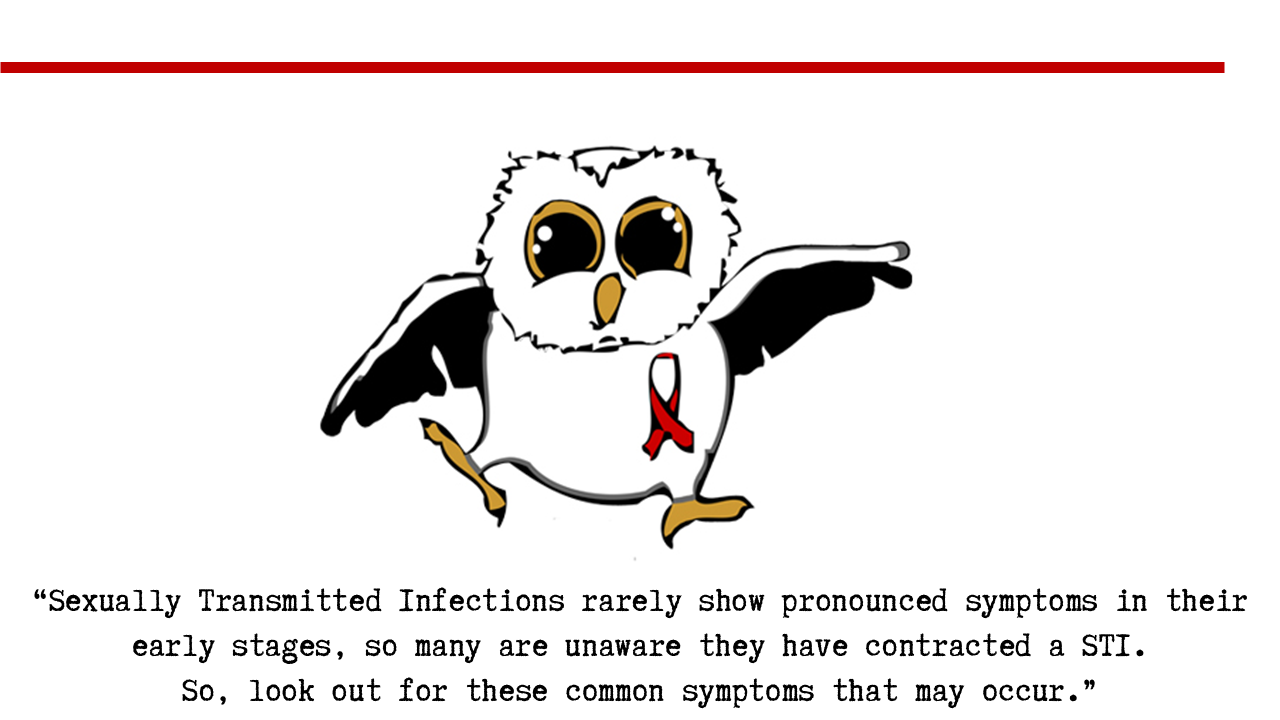
For men
• Pain or burning during urination or ejaculation
• Pus or a watery or milky discharge from the penis
• Protrusion and/or hardness of the testicles
• Swelling around the anus
• Urinating more than usual
• Itching of the genitals
• Warts around the genitals and anus
• Persistent fever
For women
• Abdominal pain
• Unusual [heavy] vaginal discharge
• Bleeding other than menstruation
• Pain during sexual intercourse
• Pain or burning during urination
• Warts around the genitals and anus
• Swelling of the vaginal area or anus
• Urinating more than usual
• Bleeding from the vagina after sex
• A oderous [smelly] vaginal discharge
• Itching of the genitals
• Blisters in and around the genitals
• Swelling or tightness in the vagina
• A persistent fever for no apparent reason
Remember, often, there are no symptoms at all, therefore, it is important to get tested after having sex without using a condom. If detected early, these can be easily treated, and you can live a normal life
The best way to prevent sexually transmitted infections is to practice safe sex. This means using a condom every time you have sex. A condom acts as a barrier to prevent the exchange of sexual fluids. It reduces the amount of skin contact in the genital area.
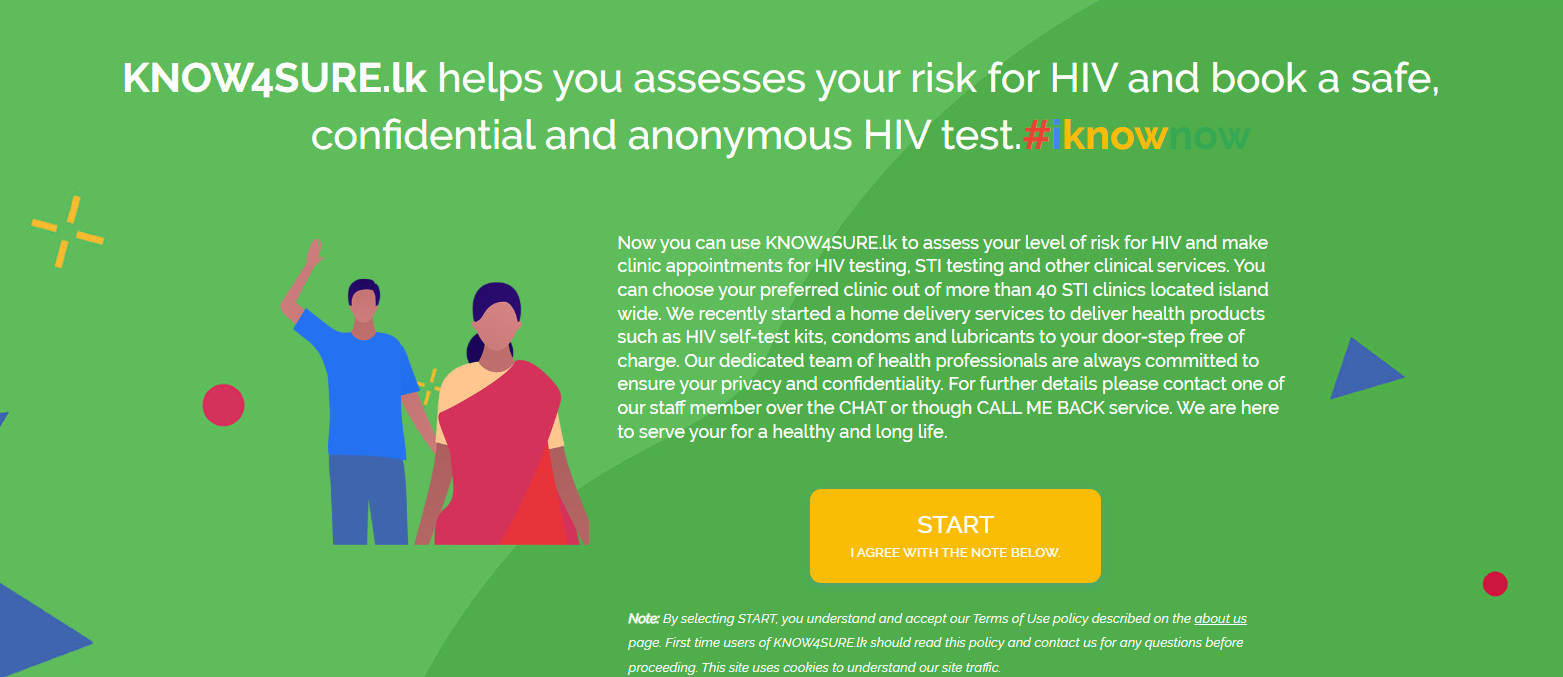
Whether you use condoms or not, it is important to get tested if you are sexually active. This is the only way to know if you have a sexually transmitted infection. These tests are available free of charge at Ministry of Health clinics across the country. To book an appointment for the test, visit know4sure.lk. This government service is committed to maintain confidentiality and protect your privacy.