
There are two sections of the Sri Lankan Penal Code dating from 1883 that are used to criminalize same sex behaviour among consenting adults.
Section 365 “Unnatural Offences” – which criminalises “carnal intercourse against the order of nature”, with a penalty of up to ten years imprisonment and a corresponding fine.
Section 365A “Acts of Gross Indecency between Persons” – which prohibits acts of “gross indecency”, or the procurement or attempted procurement thereof, with a penalty of up to two years imprisonment and/or a fine.
Both these sections are interpreted as applying to same sex behaviour. That said, broader interpretations may also applied to sexual intercourse among heterosexuals i.e. anal sex, oral sex, and sex with a condom between heterosexuals can be interpreted as “carnal intercourse against the order of nature” if “nature” is limited to penal-vaginal sex with the intent of procreation.
In 2022 the Magistrate Court in Wattala dismissed a case filed against a 22 year-old Lesbian woman by her parents seeking a declaration that she was mentally ill. The court accepted the defense counsel’s submission that “homosexuality was neither a disease of the mind nor an offence.”
In 2023, Sri Lanka Podujana Peramuna [SLPP] member of parliament, following consultations with representatives of the LGBTIQA+ community proposed a private member bill to amend sections 365 and 365A.
This was challenged in the Supreme Court by petitioners that argued it was unconstitutional.
In May 2023 the Supreme Court of Sri Lanka ruled that this was not unconstituional, and put the ball firmly in the court of the parliament, our legislative body to proceed with changing the law. Human rights activists and LGBTIQA+ community groups hailed this as a landmark decision in a special CNN report.
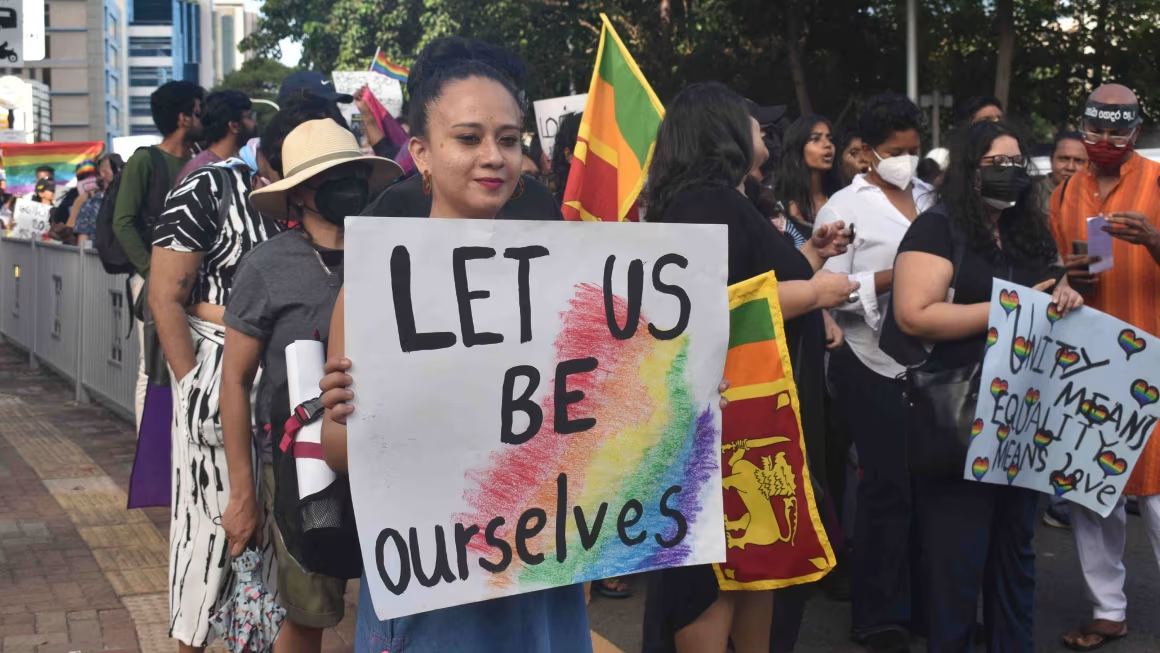
Since then, the government changed with the NPP led alliance sweeping into power in 2024, and although they did include the need for changing these discriminatory laws in their election manifestos, there is currently no observable progress in this regard.
Human rights activists and LGBTIQA+ community groups are hopeful nonetheless of imminent change, and the strides made with by the Sri Lanka Police to address violence targeted at LGBTIQA+ community members is a significant development in a country that continues to struggle with accepting non-heteronormative sexual orientations and gender identities.