
In a 2021 study SRI LANKA SOCIETY’S VIEWS ABOUT SEXUALITY AND LGBT PEOPLE’S EXPERIENCES IN SRI LANKA, conducted by the Social Scientists’ Association, 57.7% of respondents viewed LGBT as a Western Concept [Table 3.7].
The idea that non-heteronormative sexual orientations and gender identities are a Western concept potentially stems from the human rights struggle in the early 1970s in the USA and Europe with the symbol of the Rainbow Flag and flamboyant Pride Marches that challenged the status quo. The continued use of the Rainbow Flag to further the rights discourse in Sri Lanka lends to this perception.
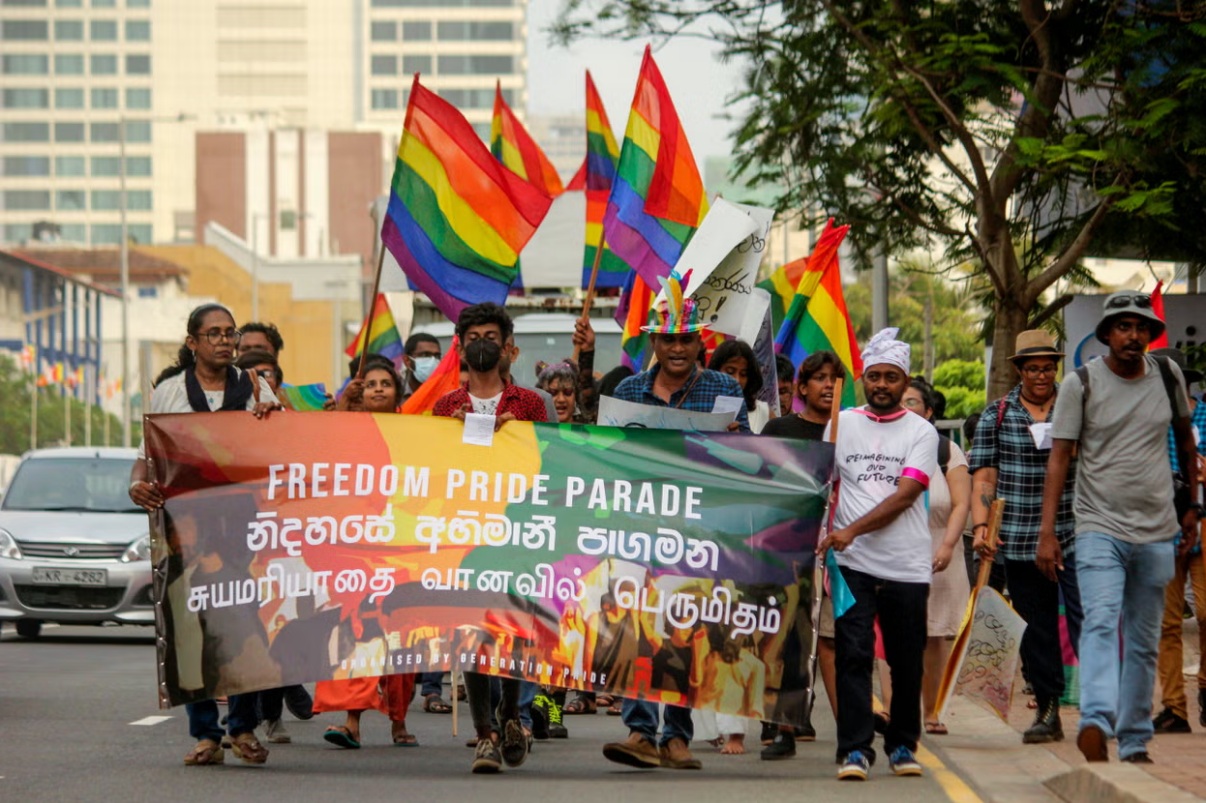
Sri Lanka’s queer history predates the arrival of the Portuguese, Dutch and British, beginning in the 16th Century CE, with their biblical prescriptions and corresponding laws that criminalzed same sex behaviour between consenting adults.
In fact, when the Portuguese first arrived in Sri Lanka they appeared to be shocked by the open practice of same sex behaviour. In a letter to the Governor of Goa, Joao de Casto dated 15th November 1547, the writer states:
“the sin of sodomy is so prevalent… that it makes us very afraid to live there. And if one of the principle men of the kingdom is questioned about if they are not ashamed to do such a thing as ugly and dirty, to this they respond that they do everything that they see the king doing, because that is the custom among them.”
This was during the reign of King Bhuvanaka Bahu VII, as reported in Kingship and Conversion in Sixteenth Century Sri Lanka: Portuguese Imperialism in a Buddhist Land by Alan Strathern.
There is no evidence of religious intolerence directed at those who engaged in same sex behaviour prior to the arrival of the Christianized West. A stone carving at the sacred site of Nalanda Gedige in Mathale, dating from circa 8th Century CE is said to depict two men copulating with a lion.
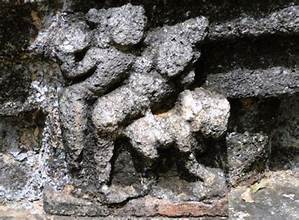
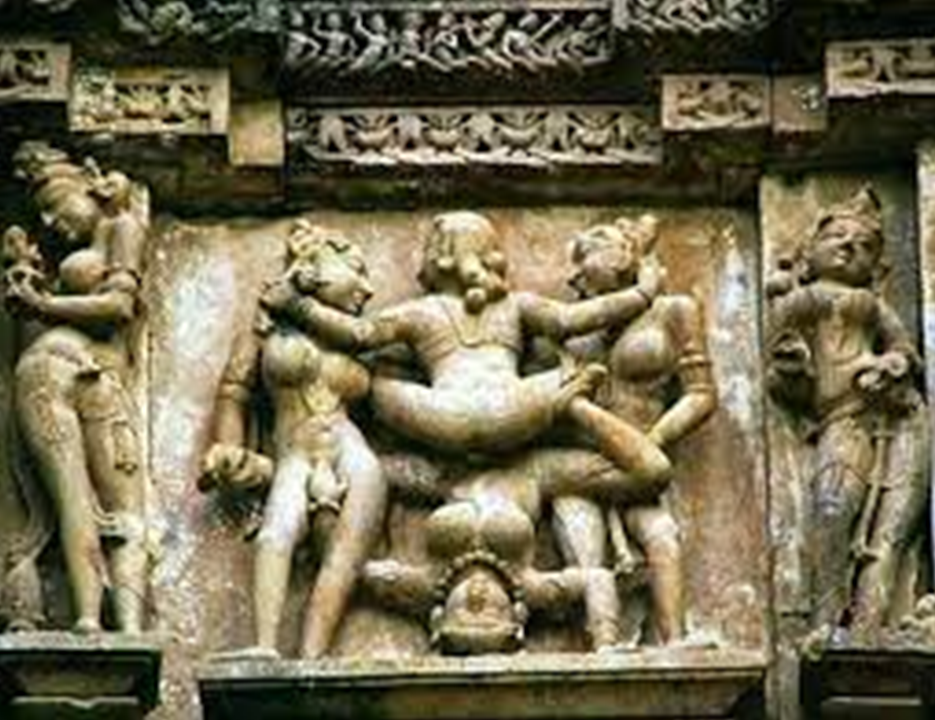
Due to erosion, however, the details are unclear, and the carving is open to interpretation. Also dating from the 8th Century CE in India is the Khajurao Temple with its much better preserved stone friezes that depict in close detail same sex encounters between women and also men, leaving no doubt that same sex relationships were accepted in the South Asia region.
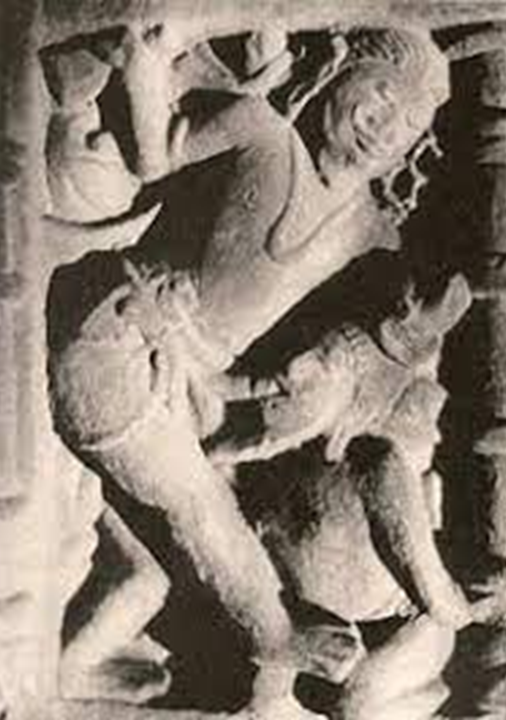
Furthermore, if we refer to erotic texts such as the Kama Sutra, we understand that this wasn’t written solely for heterosexual cisgender people. Here too, the diversity of sexual expression and pleasure was recorded.
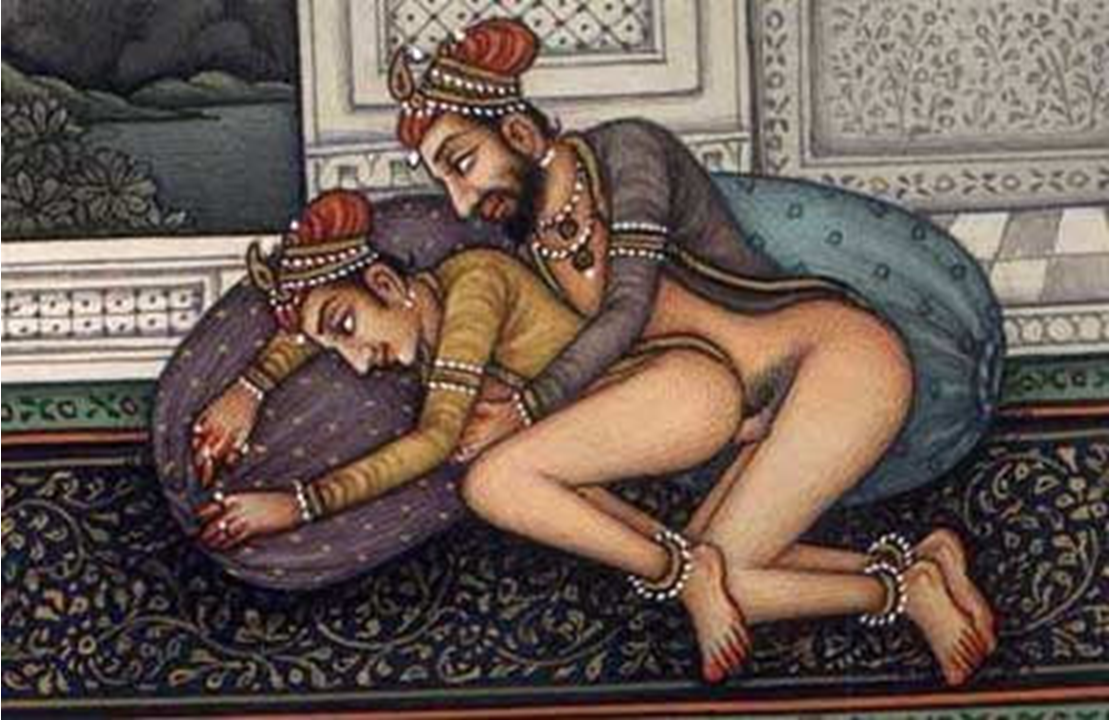
“Kama Sutra, a classic written in the first millennium [circa 300CE] by Sage Vatsyayana, devotes a whole chapter to homosexual sex saying it is to be engaged in and enjoyed for its own sake as one of the arts. Besides providing a detailed description of oral sex between men, Kama Sutra categorizes men who desire other men as third nature and refers to long-term unions between men.” – Ancient India didn’t think homosexuality was against nature