
In a 2021 study SRI LANKA SOCIETY’S VIEWS ABOUT SEXUALITY AND LGBT PEOPLE’S EXPERIENCES IN SRI LANKA, conducted by the Social Scientists’ Association, 53.8% of respondents viewed people of non-heteronormative sexual orientations and gender identities as those that “go against nature.” [Table 3.7].
The premise that non-heteronormative sexual orientations are unnatural is based on the view that humans are the only animal that have same sex encounters. There is a growing body of evidence that this is not the case with Imperial College, London, declaring that there are over 1000 species of animal that exhibit homosexual and bisexual tendencies.
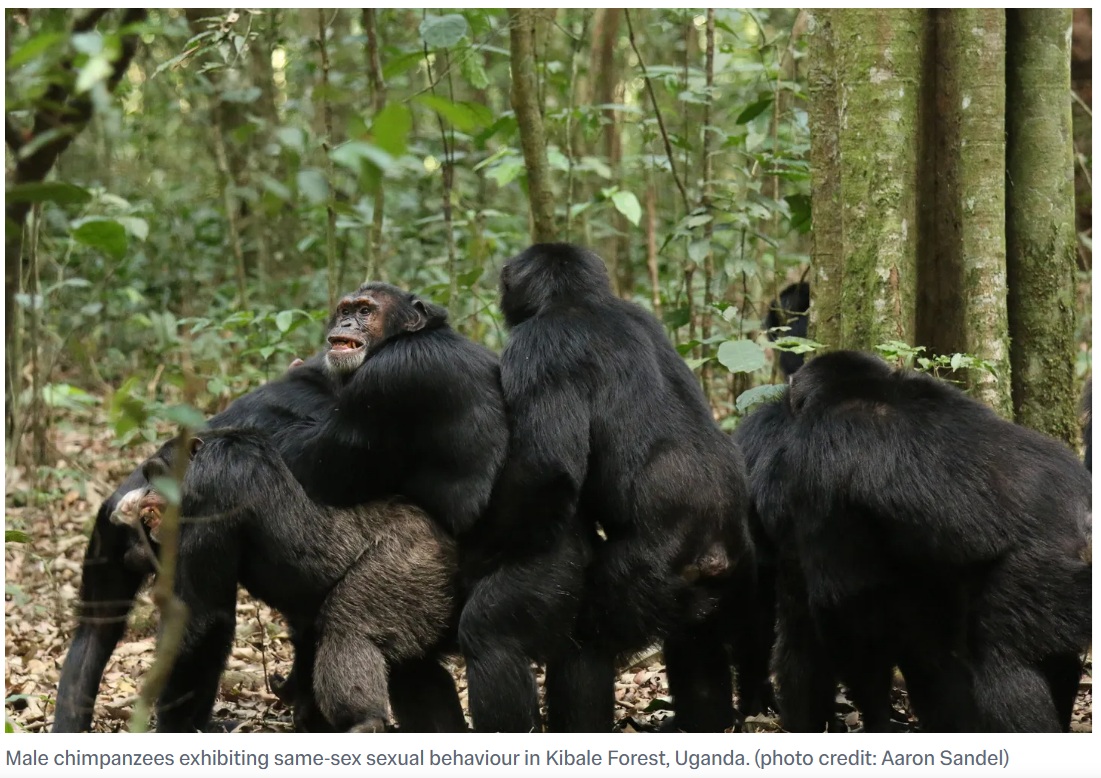
While non-human primate research is underpinning our understanding of same-sex behaviour, amphibians, birds, insects and other mammals have long exhibited same sex behaviours, which we have recorded since we first began scientifically observing animal behaviour.
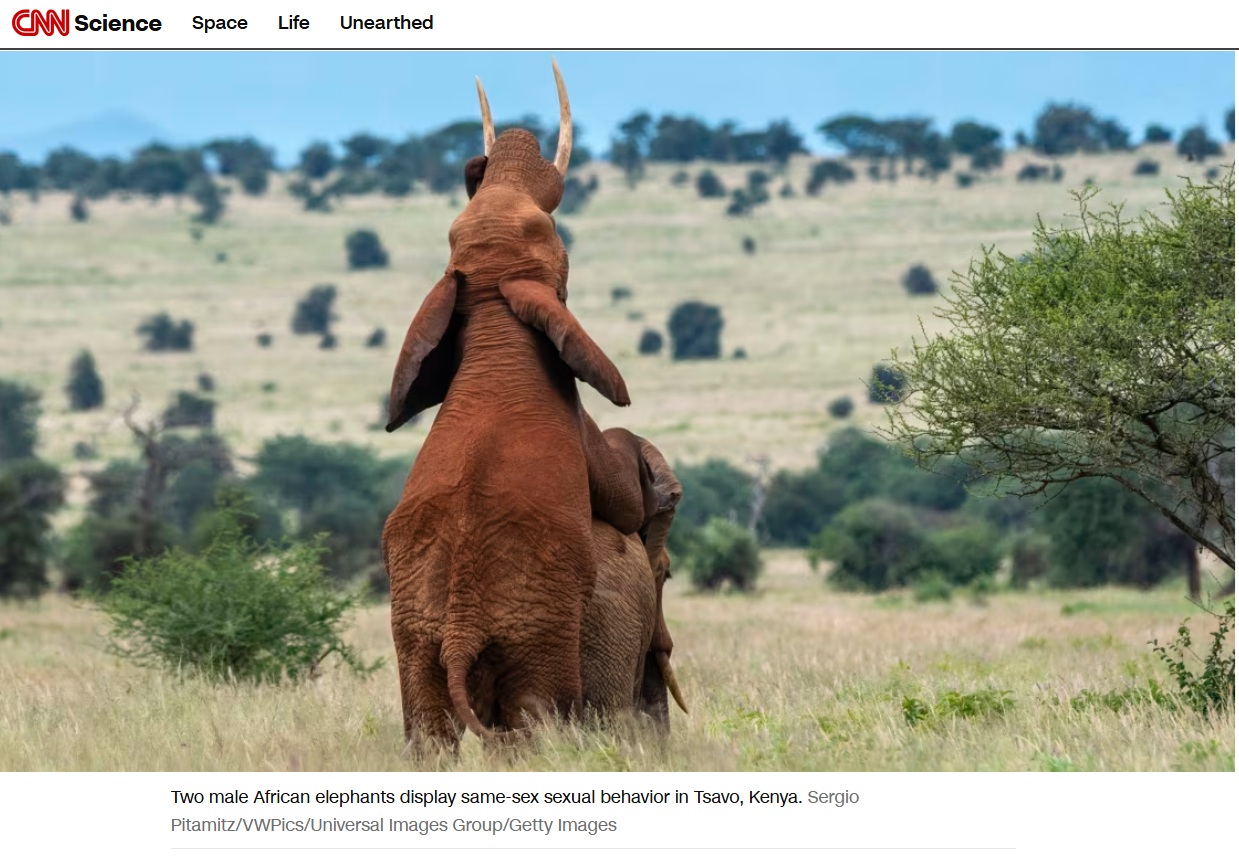
A 2024 CNN report – Same-sex behaviour among animals is being underreported, states:
“Observations of this same-sex behavior in animals, such as sexual mounting and genital touching, date back to the 1700s and 1800s. But research on the subject only progressed in the 20th and 21st centuries.”
“Homosexual behavior, it’s been officially recorded for around 1,500 species of animals, but I think for a long time most people have suspected that this is most likely a huge underestimate, because it’s found in almost every branch of the evolutionary tree… from beetles and butterflies, to lizards and squirrels.” – Josh Davis, science writer, Natural History Museum, London
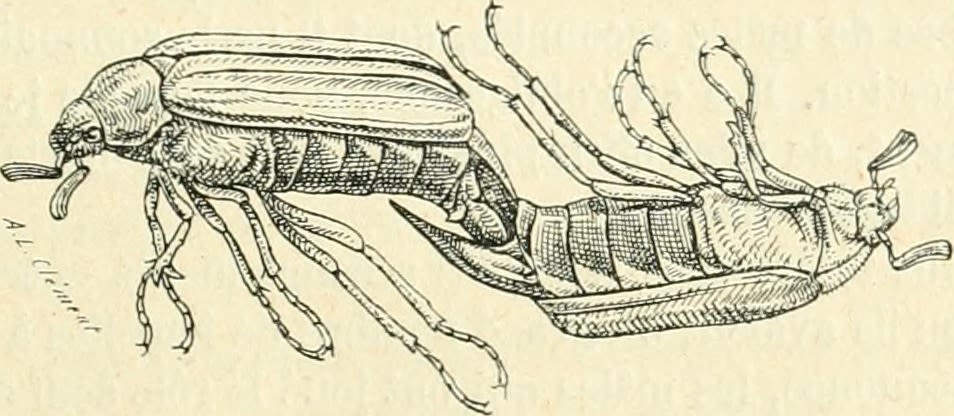
In 1896, French entomologist Henri Gadeau de Kerville published one of the first scientific illustrations of animal homosexuality. His drawing depicted two male scarab beetles copulating and was part of a wave of descriptions of same-sex behaviour in insects that set the stage for animal observations in the 1900s.
This growing body of evidence now challenges Victorian-era laws that used language such as “carnal intercourse against the order of nature” which is still used to criminalize same sex behaviour among consenting adults in Sri Lanka.
The unnatural argument also continues to persist among those who view humanity through a religious lense – arguably the basis for Victorian-era laws that persist, with Judeo-Christian-Islamic thought still viewing homosexuality and bisexuality as a fundamental transgression against the creator God’s natural laws.
The disconnect between science and religion, while not new, does offer an opportunity to reframe our approach to human dignity and equality.