
HIV stands for the Human Immuno-deficiency Virus.
This virus attacks the white blood cells that make up our immune system: mainly the CD4 cells. CD4 cells are a type of white blood cell that plays a significant role in fighting infections. If infected with this virus and left untreated, the virus multiplies and destroys the immune system (CD4 cells), making the person living with HIV susceptible to infections, which are also called opportunistic infections i.e. they take the opportunity provided by HIV.
If left untreated, several opportunistic infections can occur at the same time and lead to AIDS (Acquired Immuno-Deficiency Syndrome).
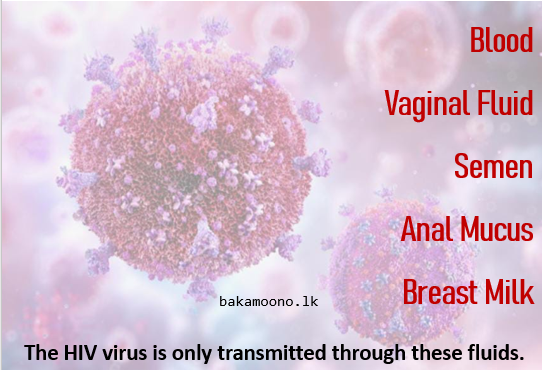
HIV is transmitted when one of these five body fluids – blood, anal mucus, semen, vaginal fluid, or breast milk – of a person living with HIV enters the bloodstream of another person.
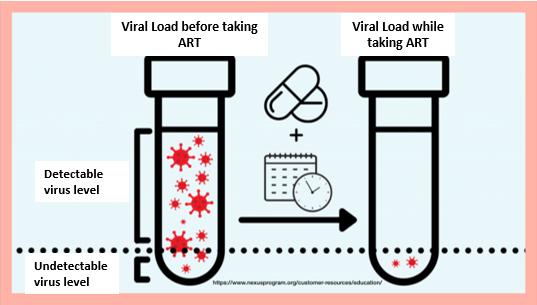
In 2017 we learnt that people who are on treatment, i.e. those who take their anti-retroviral therapy [ART] as prescribed, cannot pass on the virus to another person. This happens because regular intake of ART reduces a person’s viral load to an undetectable level, [<50 copies per ml of blood]. A person with an undetectable viral load cannot pass on the virus to others.
#cantpassiton
The HIV virus was identified as the virus that causes AIDS in 1984. It was named HIV in 1986. Although it was common to die from AIDS related illnesses before the advent of antiretroviral therapy, today with ready access to ART people live a healthy life with HIV in Sri Lanka.
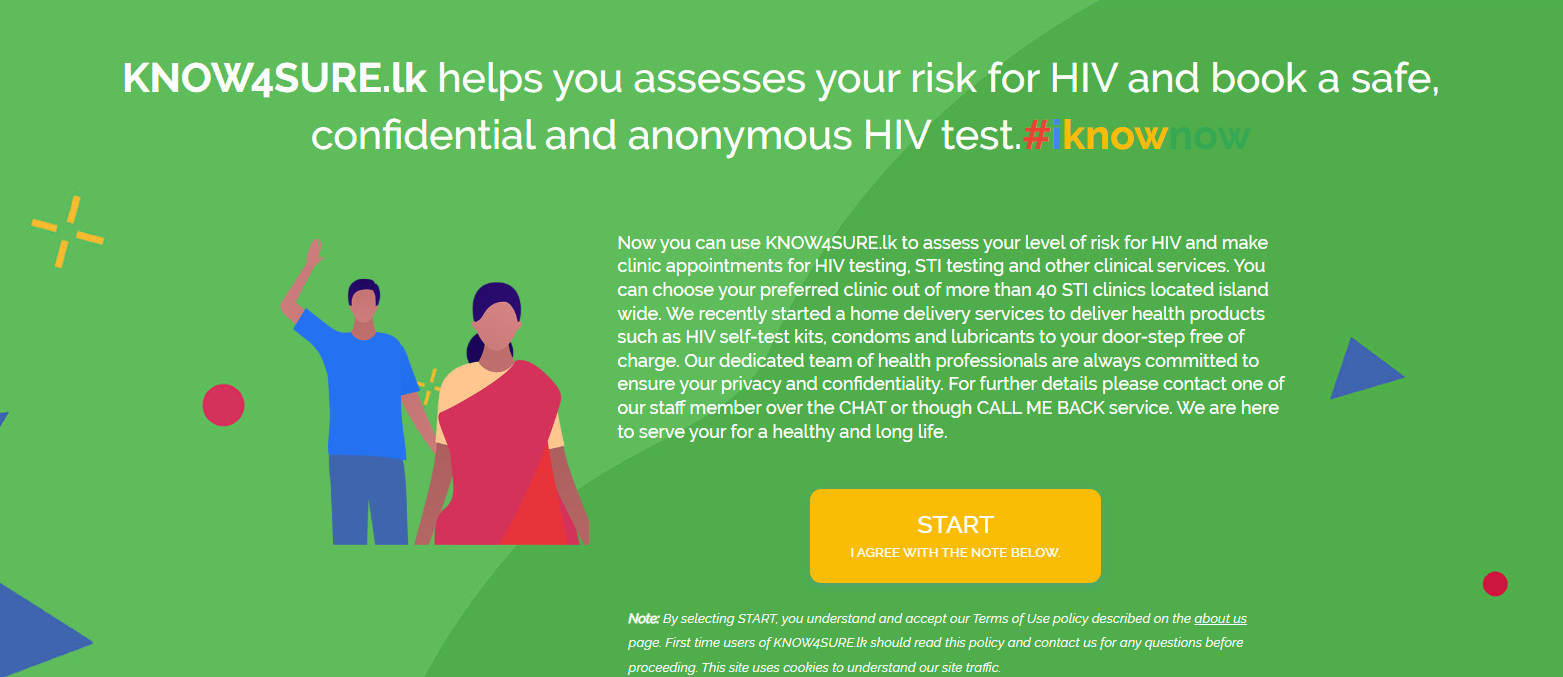
If you suspect that you may have been at risk from contracting HIV, visit the website https://know4sure.lk/assessment/201 operated by the National STD/AIDS Control Programme of the Ministry of Health, assess your risk and get support.
Situation in Sri Lanka
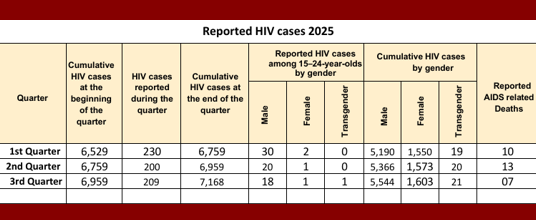
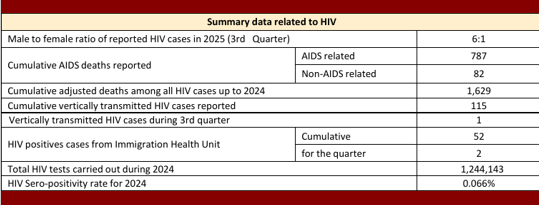
The number of new HIV infections reported as of the end of the third quarter of 2025 is 639. Of these, 68 are males between the ages of 15 and 24 – 2025 National STI Prevention Project data sheet.
The number of HIV tests conducted in 2024 is 1,244,143. It shows that the HIV prevalence rate in Sri Lanka is 0.066%.
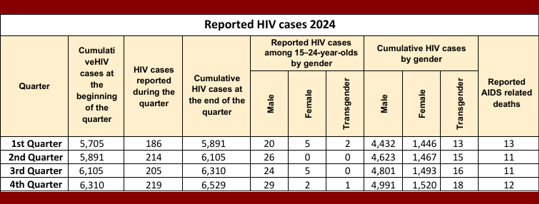
The number of people living with HIV reported in 2024 is 824. Of these, 99 are males or boys in the 15-24 age group. Another 13 are women or girls in that category and three transgender people falls into this category, according to the 2024 Fourth Quarter Data Sheet.
Based on current data, it is estimated that there are about 4,700 (4,400 – 5,000) people living with HIV in Sri Lanka.
Global situation
The World Health Organization estimates that 42.3 million people are living with HIV worldwide.
The World Health Organization (WHO), the Joint United Nations Programme on AIDS (UNAIDS) and the Global Fund to Fight AIDS, Tuberculosis and Malaria (GFATM) are working together to end the HIV epidemic by 2030, according to the World Health Organization.
To support this outcome Sri Lanka’s Ministry of Health runs a TEST & TREAT campaign that encourages those at risk to get tested and start treatment. Remember: people on effectivetreatment #cantpassiton, so if you’ve had unprotected sex, or have not been safe when injecting drugs, get tested to live a healthy positive life and help achieve this global goal