
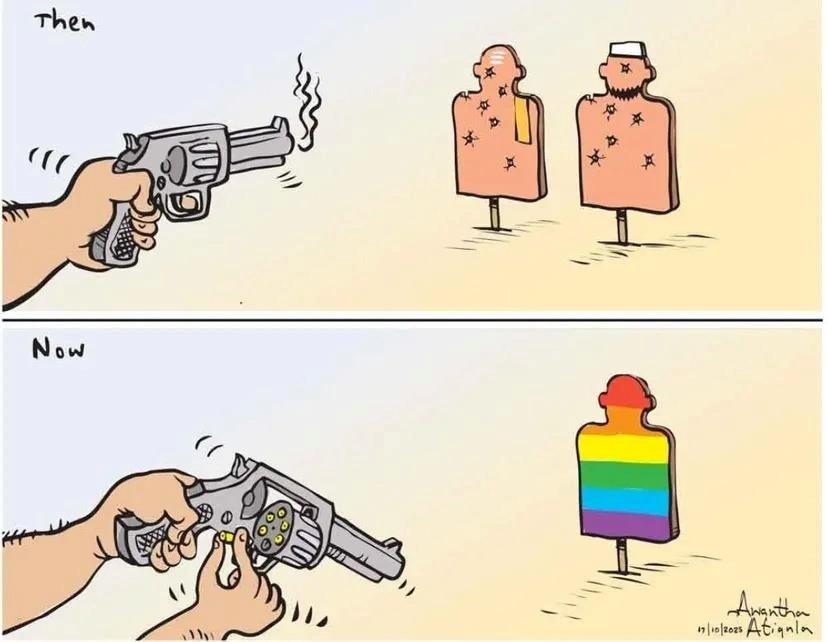
Over the past three months, Sri Lanka has witnessed a surge of online hate speech and misinformation targeting the LGBTQ+ community, an escalation triggered by political rhetoric and intensified through mainstream and digital media. What began as isolated hostility on social networks evolved into a national controversy following parliamentarian Namal Rajapaksa’s public opposition to an LGBTQI+ tourism initiative in late September 2025. His statement, amplified by major media outlets, unleashed a torrent of condemnations, opinion pieces invoking “traditional values,” and a flood of social-media attacks.
(Daily Mirror)
“We should not base our tourism promotion on issues of gender identity or sexual orientation. Our rich and authentic heritage is more than enough to attract visitors from around the world irrespective of their gender preferences,” Rajapaksa said.
(Daily Mirror)
September 2025 — The Trigger
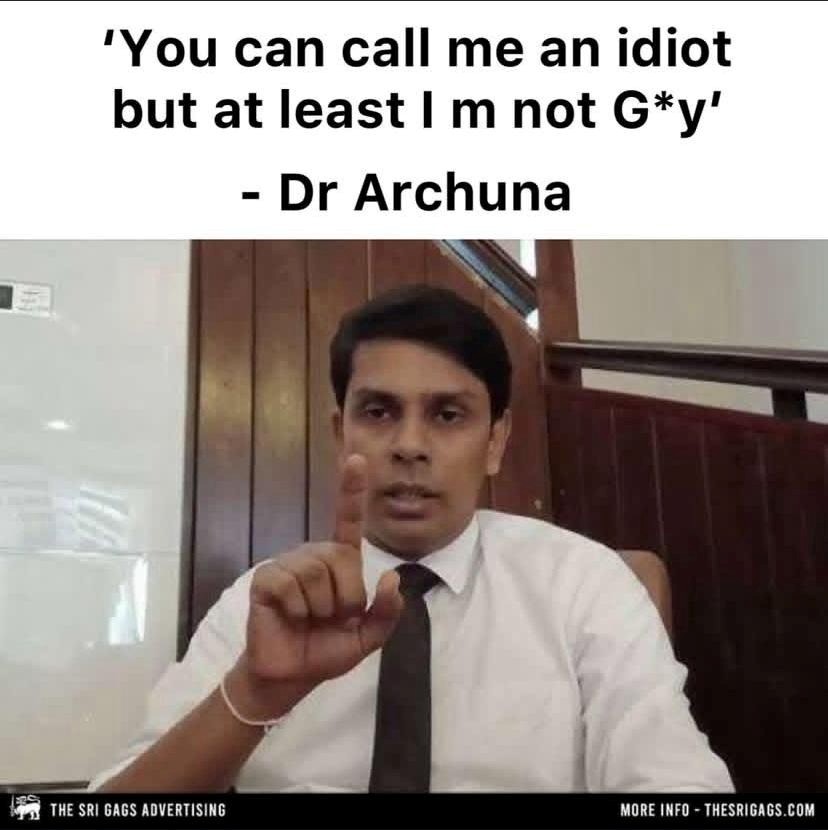
Within hours of Rajapaksa’s comments being reported, mainstream news outlets such as Daily Mirror and Ada Derana framed his stance as a defense of “cultural authenticity.” (Daily Mirror) Social-media conversations quickly mirrored this framing. On Facebook, X, and YouTube, narratives emerged describing the proposed tourism plan as a “Western-backed attempt to normalize homosexuality.”
Clips of talk shows, memes mocking LGBTQ+ visibility, and inflammatory commentary spread rapidly across digital platforms. Within days, the discourse had shifted from tourism to a broader moral panic about “Western influence.”
The Sri Lanka Tourism Promotion Bureau issued a clarification on 30 September 2025, stating that there was no exclusive campaign for LGBTQ+ travelers and that the goal was merely to ensure inclusivity. By that time, however, the backlash had already entrenched itself in public discourse.
(Ada Derana)
October 2025 — The Escalation
In August, weeks before Rajapaksa’s remarks, Cardinal Malcolm Ranjith had publicly claimed that “foreign-funded actors” were “promoting homosexuality” and “enabling gender changes for minors.” These unfounded allegations, widely circulated online, laid the groundwork for what followed.
(Lanka News Web)
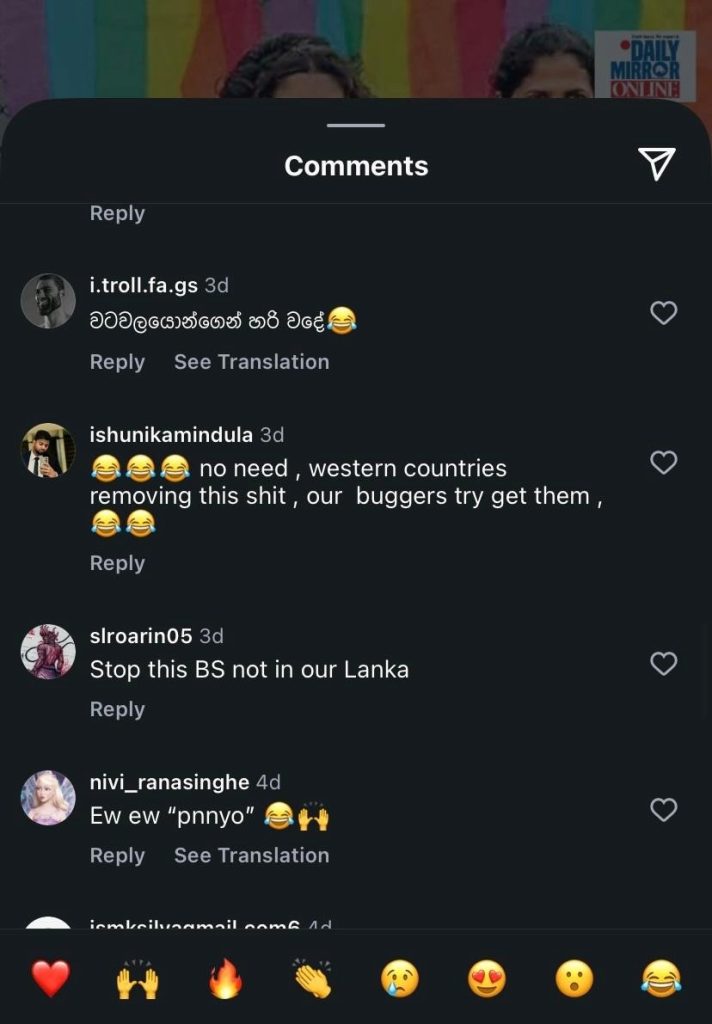
Thousands of comments on Facebook and YouTube echoed the Cardinal’s rhetoric, warning of “Western attempts to destroy Sri Lankan culture.” Nationalist pages and influencers amplified the claims, branding queer Sri Lankans as “mentally ill” or “agents of the West.” One viral post read: “They are recruiting our children; foreign money is driving this.”
(Lanka News Web)
The Watawala Tea Advertisement
The debate over LGBTQ+ visibility intensified with the release of a Watawala Tea advertisement in mid-September 2025, which subtly portrayed themes of inclusion and family acceptance. The ad became a lightning rod for outrage, with hundreds of social-media users accusing the brand of “pushing Western values.”
Within days, Watawala Tea pulled the advertisement from its platforms after facing coordinated online harassment and boycott calls.
(LinkedIn; Reddit)
One Reddit user wrote:
“They definitely got pressure from higher-ups… The ad never even mentioned sexuality, people projected their own prejudice onto it.”
(Reddit)
The controversy revealed the fragile environment for brands or individuals attempting to express even symbolic gestures of inclusion in Sri Lanka’s public sphere.
By mid-October, online discourse had hardened into a culture war. While youth-led pages on Instagram and TikTok advocated for tolerance and inclusion, their messages were drowned out by the dominant tide of political and religious rhetoric.
The past three months have exposed how fragile Sri Lanka’s digital information space remains. A single political statement when echoed uncritically by mainstream outlets can metastasize into a campaign of hate, fanned by algorithms that reward outrage and nationalism.
When it comes to politics and media, one of the most repeated arguments against the LGBTQ+ community centers on how it “affects children.” This narrative has become the most powerful emotional trigger in South Asian societies, where children are seen as innocent and culturally sacred. By framing queer visibility as a “threat” to youth, politicians and the media fuel fear and moral panic — creating a sharp divide between “us” and “them.”
This division doesn’t just live online. It takes root in young minds and grows into everyday discrimination, isolation, and internalized shame. Speaking with an experienced activist in the field revealed that this is not unique to Sri Lanka — similar waves of hatred have spread internationally, from India’s backlash to inclusive advertising (BBC) to Malaysia’s censorship of LGBTQ+ scenes on streaming platforms (Reuters).
In Sri Lanka, these narratives have made many LGBTQ+ individuals afraid to come out, choosing instead to stay closeted for their safety. Even activists face hostility and suspicion, accused of “spreading Western ideas.” The misinformation that links homosexuality to HIV or claims that “children exposed to these ideas will turn gay” continues to circulate unchecked, deepening stigma and fear.
The backlash following Namal Rajapaksa’s remarks and the Watawala Tea controversy underscored a familiar pattern: media headlines that echoed politics rather than interrogating it, social platforms that rewarded anger over fact, and a public narrative where LGBTQ+ Sri Lankans were again reduced to symbols in a debate they never sought to enter.