Treatment for HIV comes in the form of medication known as antiretroviral therapy (ART). The Sri Lankan government provides free HIV treatment, available at Ministry of Health clinics across the country.
Given that we can now live a long and healthy life with HIV due to advancements in treatment, and that those who are on effective antiretroviral therapy cannot pass on the virus, starting on treatment after your diagnosis is very important, for both you and those around you.
If you haven’t already, consider booking an appointment for a confirmatory test through https://www.know4sure.lk This is an excellent government service that gurantees confidentiality right through the process and beyond.
For example, through government testing you will become aware of your viral load, which is an indicator of overall health, and which can also help you decide (with your doctor) when it is best to have children. With ready access to treatment, a person living with HIV in Sri Lanka has the ability to have an HIV-free child.
What happens with antiretroviral therapy?
Antiretroviral therapy significantly reduces the viral load [<50 copies per ml of blood] and body fluids such as blood, anal mucus, semen, vaginal fluid and breastmilk – the five body fluids that pass it on – are no longer infectious.
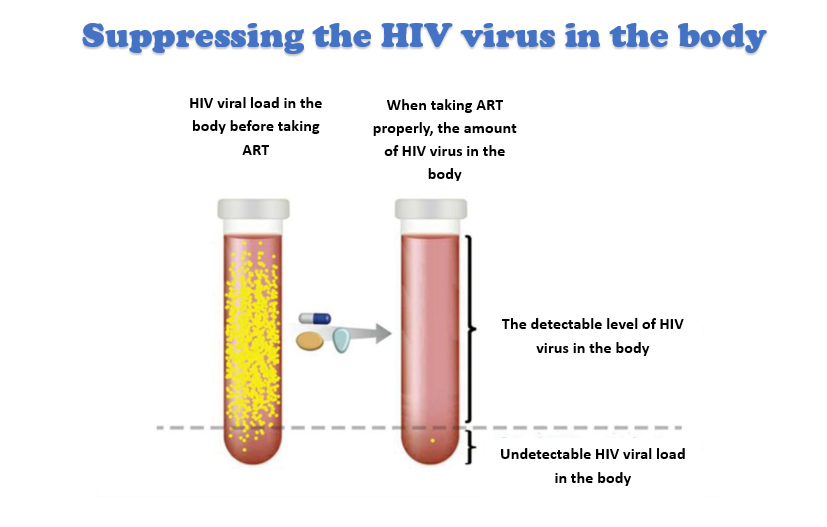
When the viral load is low, the immune system begins to strengthen again. An increase in the number of CD4 cells, which are the basic building blocks of your immune system, is an indicator that the immune system is strengthening.
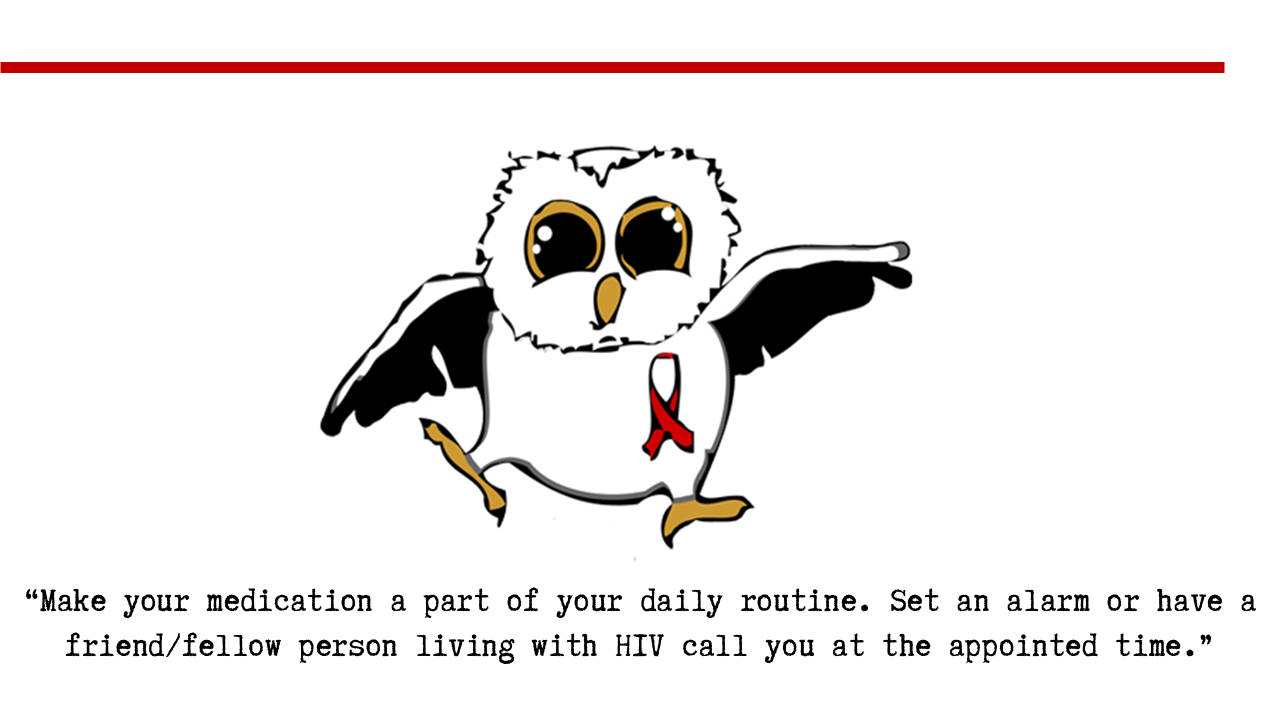
Once you start taking HIV treatment, you need to take it for life. If you stop taking ART, you may develop resistance to the drugs. This can make it difficult to control the virus. That is why it is very important to adhere to the treatment.
Are there any side effects?
Some people live their entire lives without any side effects from HIV medications. And some experience side effects. These may include temporary side effects such as nausea, headaches, rashes, vomiting, diarrhea and fatigue during the first few weeks of treatment. These gradually subside. If temporary side effects persist for several months, it is important to discuss them with your doctor.
Are there alternative treatments for HIV?
World Health Organization classifies HIV as a chronic condition, i.e. a condition that cannot be cured but can be managed, akin to diabetes and hypertension. In addition to antiretroviral treatment, managing HIV requires making conscious changes in our daily life to stay healthy. We need eat right, sleep right, exercise regularly and pay attention to our mental health.
Life style changes may also have to include addressing any dependency on alcohol and other drugs.
You can also learn about living with HIV by joining a support group made up of people living with HIV in Sri Lanka, such as the Positive Hopes Alliance. They will help you stay in work, support you and your family with knowledge, and be available to help you come to terms with life ahead.