HIV is transmitted when one of these five body fluids – blood, anal mucus, semen, vaginal fluid or breast milk – of a person living with HIV enters the bloodstream of another person.
For this to happen, there must be a cut, wound, or other opening/gateway to the bloodstream that allows the virus to enter. The mucous membranes of the vagina, rectum, and urethra are often exposed to such cuts and abrasions, which is why HIV transmission through unprotected sex is common.
The HIV virus is also present in other body fluids, such as sweat and saliva, but the viral load in those fluids is not sufficient to transmit the virus to another person. Remember, HIV is only transmitted through five fluids: blood, anal mucus, semen, vaginal fluid and breast milk.
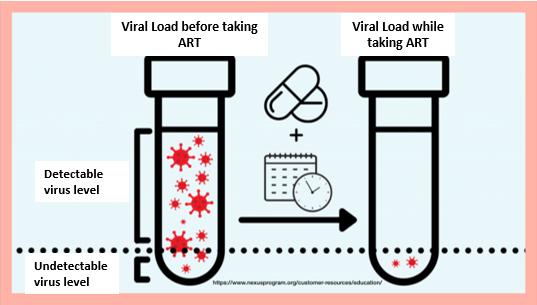
People living with HIV who are receive antiretroviral therapy [ART] proven to be effective treatment for HIV, do not transmit the virus through these five fluids because regular intake of ART reduces a person’s viral load to an undetectable level [<50 copies per ml of blood]. A person with an undetectable viral load cannot pass on the virus to others.
#cantpassiton
Mother-to-child transmission of HIV
Since all pregnant women in Sri Lanka are referred for HIV testing, mother-to-child transmission of HIV has been successfully prevented. This was certified by the World Health Organization in 2020, and couples living with HIV can now give birth to HIV-free children in Sri Lanka.
Sexual transmission of HIV
The highest risk of HIV transmission is through unprotected anal sex. The anus does not have sufficient natural lubrication, unlike the vagina and so there is a higher risk of abrasions or tears that can occur during anal sex. These abrasions/tears are the opening/gateway for the virus to enter a person’s bloodstream.
Remember, while vaginal fluid generally acts as a lubricant during unprotected vaginal intercourse, this does not necessarily eradicate the opportunity for vaginal abrations and tears. Furthermore, sex without a condom does not prevent HIV transmission that takes place through the gateway/opening of a broken foreskin.
There is also a risk of HIV transmission through unprotected oral sex. Cuts and sores in the mouth or throat can allow vaginal fluid, semen, or anal fluids to enter the bloodstream.
HIV can also be transmitted through vaginal fluid or anal mucus that gets on the outside of the condom. When handling the condom, be careful not to have any open wounds, such as cuts or abrasions on your hands.
Also, if you have Thigh intercourse to prevent pregnancy or to protect what you think is your virginity, if there is a cut, scratch or wound in the vaginal area, HIV can also be transmitted through that opening.
The main factor affecting the sexual transmission of HIV is the amount of virus in the sexual partner’s body. People who are receiving proper treatment do not transmit HIV from them because the level of virus in their blood is undetectable.
Transmission of HIV through blood
HIV can also be transmitted through the blood of a person with a high viral load; a person that is not receiving effective treatment [ART].
The most common form of transmission is sharing needles for injecting drugs.
Although it is technically possible to get HIV through blood transfusions, such incidents are not currently reported in Sri Lanka due to advancements in regular testing. Blood banks test blood for HIV, and patients about to receive a blood transfusion [or their families] have the right to ask if an HIV test has been performed on the blood about to be received.
While the transmission of HIV through blood transfusions is a common theme in popular media, including films and television series, these stories do not reflect our reality in Sri Lanka.
Post-exposure Prphylaxis [PEP]
If there is a risk of HIV transmission through blood in medical settings, healthcare professionals receive post-exposure prophylaxis [PEP] medication. This medication is administered within 72 hours and prevents the HIV virus from attacking the immune system’s CD4 cells. Survivors of sexual violence, which includes vaginal and anal rape also benefit from PEP.
Read here about how PrEP medication can be used to prevent HIV transmission.
If you suspect that you have been infected with HIV, go to know4sure.lk and book an appointment for a test.